
Your vents are blowing dusty air most likely because of accumulated debris inside your ductwork, a clogged or poorly fitted HVAC filter, leaks in your duct system pulling in dirty air from unconditioned spaces, or a dirty blower fan pushing contaminated air through your vents. In some cases it can also be caused by mold or post-renovation construction debris trapped inside the system. Each of these causes has a specific fix, and knowing which one applies to your home is the first step toward breathing clean air again.
Why You Should Not Ignore This Problem
That puff of dust you see shooting out of your vent when the HVAC system kicks on is not just an aesthetic problem. It is a signal. Your heating and cooling system is supposed to condition and circulate air through your home, not add to the contamination of it. When you can actually see particles coming out of the vents, it means the volume of debris inside the system has reached a point where the airflow can no longer contain it.
While a small amount of dust movement can be normal, visible puffs of debris usually signal buildup somewhere inside the system.
For families in Olathe, Kansas, this matters more than it might in a milder climate. Olathe homes run their HVAC systems hard through both brutally hot summers and cold winters. That continuous operation means whatever is inside the duct system gets pushed into your living space on a near-constant basis for months at a time. The longer the underlying cause goes unaddressed, the more your family is exposed to whatever is circulating through those vents.
Cause 1: Accumulated Debris Inside the Ductwork
This is the most common reason vents blow dusty air, and it is the one most homeowners overlook for the longest period of time.
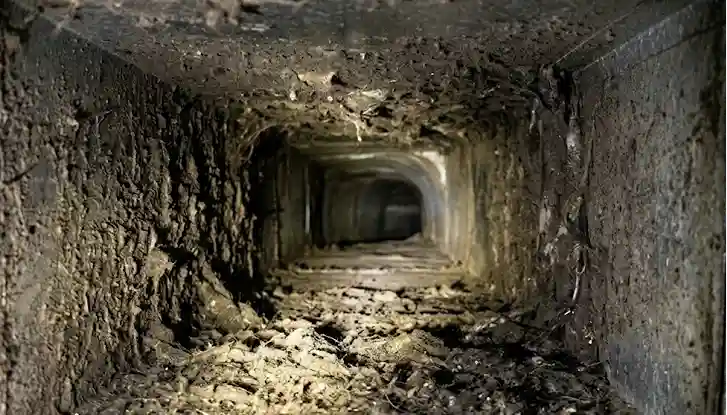
Over years of daily use, your HVAC system pulls air through the return vents and deposits a thin layer of particles along the interior walls of the ductwork. Skin cells, fabric fibers, pet dander, pollen, and fine dust all contribute to this buildup. Each individual layer is microscopic. But over three, four, or five years of accumulation, it becomes a meaningful deposit of debris sitting on the inside of every duct run in your home.
When the system turns on, the sudden rush of air disturbs that settled layer and carries particles straight into your rooms. The longer it has been since the last cleaning, the heavier the buildup and the more visible the dust shooting out of the vents.
This is not something you can solve by cleaning the vent grilles or swapping filters more frequently. The debris is deep inside the duct system, far beyond the reach of any surface cleaning effort. If this sounds like your situation, professional ductwork cleaning is worth looking into as the most reliable way to remove that buildup and restore cleaner airflow throughout your home.
Cause 2: A Clogged, Incorrectly Sized, or Poorly Fitted Filter
Your HVAC air filter is the first line of defense between the air in your home and the duct system. When it is working properly, it traps dust, pollen, pet dander, and other airborne particles before they enter the system. When it is not working properly, all of those particles bypass the filter and travel directly into the ductwork and out through your supply vents.
When your HVAC filter is clogged, nothing stops the dust and toxins from blowing right back into your home.
A filter can fail in three different ways. First, it can simply be overdue for replacement. Standard one-inch filters need to be changed every 30 to 90 days depending on your home environment. Homes with pets, young children, or allergy sufferers should be on the shorter end of that range. Second, the filter can be the wrong size for your system, leaving gaps around the edges that allow unfiltered air to bypass it entirely. Third, even a clean filter that is installed backward or sitting loosely in its slot will allow dust to pass around it rather than through it.
When changing your filter, you should also check to ensure there is a tight seal around all sides as it fits in the air return. If there are gaps or if your filter is improperly sized, dust will be able to flow freely through your system and throughout your home.
Check your filter first before assuming a more serious problem. Pull it out, hold it up to the light, and if you cannot see light passing through it clearly it is overdue for replacement. While you are at it, confirm it is the correct size and that it is seated tightly with no gaps around the edges.
Cause 3: Leaky Ductwork Pulling in Outside Dust
This is one of the more surprising causes of dusty air from vents because the dust is not actually coming from inside the duct system at all. It is being pulled in from outside it.
Ductwork runs through some of the dustiest, dirtiest spaces in your home. Attics filled with insulation fibers and construction debris. Crawl spaces with dirt floors and humidity. Wall cavities that have never been cleaned in the lifetime of the house. When duct joints separate, seams come apart, or small punctures develop in flexible ductwork, those gaps create pathways for the surrounding air to be sucked into the duct system.
Energy Star estimates that ductwork in the average home loses up to 30% of the air due to leaks. You may assume a leak would draw out precious clean air. However, it actually sucks dusty air from the surrounding area outside the leak back into the ductwork and through your air vents. Remember that your ductwork is not located in the cleanest of places. Your ductwork sits in the attic, behind walls, or under your floor. These are naturally grimy and dusty places.
Small gaps can develop in your ductwork due to age, damage, or poor workmanship, and they can develop in some very dusty areas of your attic and basement. These gaps allow dust to flow in at a point past your filter, and that dust goes right out your vents and into your rooms.
If you notice dust blowing from vents even shortly after replacing your filter, leaky ductwork is a strong suspect. A professional inspection can identify where the leaks are occurring, and duct sealing using mastic sealant or foil tape can close those entry points and stop the problem at its source.
Cause 4: A Dirty Blower Fan or Air Handler
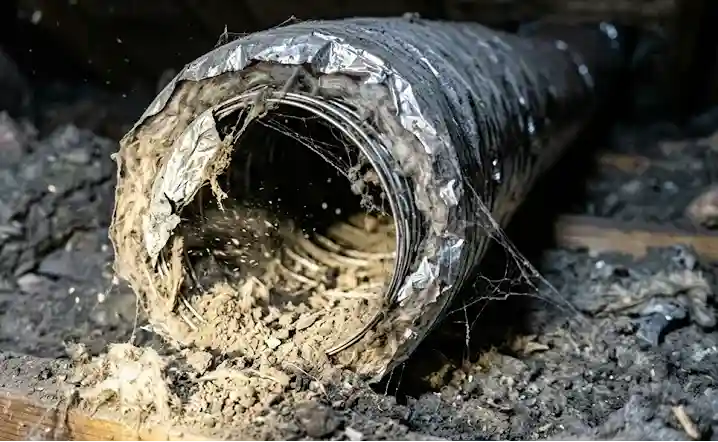
The blower fan is the component inside your HVAC system that actually moves the air through the duct system. It sits inside the air handler unit and runs every time the system operates. Over time, the fan blades and the surrounding housing accumulate a layer of dust and debris that the filter does not catch.
Dust buildup in blower fans, coils, or the air handler can release fine particulate matter into your air supply. Even if your ducts are clean, a dirty HVAC unit can contribute to dust around vents.
When the blower fan is coated in debris, it essentially becomes a device that blows contaminated air through the ductwork with every cycle. Cleaning the blower fan and air handler is part of a comprehensive HVAC maintenance service and is something that should be addressed alongside duct cleaning for the best results.
Cause 5: Post-Renovation Construction Debris
If you have had any remodeling, renovation, or construction work done in the past year or two and have not had the ductwork cleaned since, there is a very good chance that the dust you are seeing from the vents is construction debris.
Drywall dust is extremely fine and light. It travels through the air easily and gets pulled into the HVAC system through return vents during and after renovation work, even when the work area was taped off. Once inside the ductwork, it settles and stays there until the airflow disturbs it and pushes it back out into your living spaces.
Fine construction dust may have entered your ductwork. Drywall dust is extremely fine and easily circulates through HVAC systems.
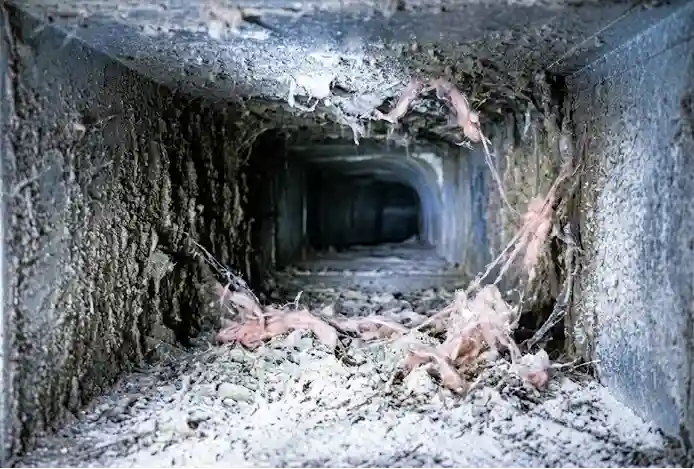
The same applies to insulation fibers. If you turn the HVAC system on and yellow or pink threads blow out of the air vent, the most likely culprit is insulation, and it is not a good sign. Insulation material inside the duct system indicates either damaged ductwork or insulation that has been disturbed during construction and made its way into the system.
If your home has been renovated and the ducts have not been cleaned since, that should be at the top of your priority list.
Cause 6: Mold or Moisture Inside the Duct System
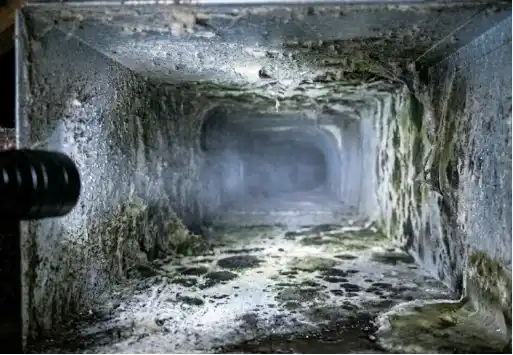
Not all dusty or particle-filled air from vents is actually dust. In homes with humidity issues, what appears to be a dusty discharge can sometimes include mold spores being released from mold colonies growing inside the ductwork.
Mold grows in environments with moisture, darkness, and an available food source. Ductwork provides all three. Dust and organic debris inside the ducts serve as food. The interior of the duct system is dark by definition. And in Olathe homes during humid summer months, moisture can work its way into the HVAC system through condensation on coils or through gaps in the duct system.
If the air coming from your vents has a musty smell along with visible particles, mold contamination is a serious possibility that needs professional attention. Standard duct cleaning followed by an antimicrobial treatment is the appropriate response when mold is identified inside the system.
Indoor mold exposure can contribute to allergy symptoms, respiratory irritation, and other air quality problems according to the CDC mold exposure information.
The Venturi Effect: When Dust Around Vents Is Not From Inside the Ducts
There is one situation worth understanding that sometimes confuses homeowners. You might notice that dust consistently collects around the edges of your vent covers even when the air coming out of the vents seems relatively clean. This is not always a sign that the duct system is dirty.
Ceiling registers usually protrude slightly, creating air pressure differences. Low-pressure areas form near the vents, pulling in room air and causing airborne dust to settle on nearby surfaces. In other words, the dust accumulating around your vents may not be from inside the ducts. It may simply be room air dust settling due to air circulation patterns.
This phenomenon is sometimes called ghosting or the Venturi Effect, and it is more of a surface cleaning issue than an HVAC problem. If wiping down the vent covers regularly keeps the area clean and the air coming from the vents is not visibly dusty, the duct system may be fine.
The distinction to make is this: dust settling around the outside of vent covers is a different situation from visible particles actively blowing out of the vents when the system turns on. The first can be a normal airflow pattern. The second is a sign that something inside the system needs attention.
How to Diagnose Which Cause Applies to Your Home
Before calling anyone, you can do a basic self-assessment to narrow down the most likely cause.
Start by checking and replacing your HVAC filter. If the filter is overdue or incorrectly fitted, fix that first and observe whether the dusty discharge from the vents changes over the following week.
Next, look at the return air vent covers. When the return air vent is dusty, the air coming into it and through the HVAC system is going to be dusty too. That debris can travel and build up in the air ducts and flow out of the supply air vent, causing dust to coat your home quicker. Heavy buildup on the return vent is a sign the system is working harder than it should and that the ductwork likely needs attention.
Think about your home’s history. How long has it been since the ducts were last professionally cleaned? Has any renovation work been done in the past two years? Do you have pets that shed heavily? These factors all influence how quickly debris accumulates and how urgently cleaning is needed.
If the dusty air persists after a filter change, or if you notice a musty smell along with the dust, a professional inspection of the duct system is the appropriate next step.
Related: 10 Signs Your Air Ducts Need Cleaning Right Now
What a Professional Inspection Will Check
A qualified HVAC or duct cleaning technician will inspect the system more thoroughly than any homeowner can from the outside. They will check for visible debris accumulation in accessible duct sections, look for signs of mold or moisture damage inside the system, assess the condition of duct joints and seals to identify leaks, inspect the blower fan and air handler for buildup, and evaluate the overall condition of flexible ductwork for collapse or damage.
Based on what they find, they can recommend whether duct cleaning, duct sealing, blower cleaning, or some combination of services is the right solution for your specific situation.
What You Can Do Right Now
While waiting for a professional inspection, these steps can help reduce the amount of dusty air coming from your vents in the short term.
Replace your HVAC filter immediately if it has been more than 60 days since the last change. Use a filter with a MERV rating between 8 and 11 for a good balance of filtration and airflow. Vacuum the vent cover grilles using a brush attachment to remove surface debris. Check that all supply and return vents are open and unobstructed, as closed vents create pressure imbalances that can pull more debris into the system. If you have pets, brush them regularly and keep pet bedding away from return vents to reduce the volume of dander entering the system.
These steps address the surface level of the problem. But if the underlying cause is accumulated debris inside the ductwork or leaks in the duct system, a professional cleaning is the only solution that actually resolves it.
How Often Should Olathe Homeowners Have Their Ducts Cleaned?
For most homes in Olathe and the wider Johnson County area, every three to five years is the standard recommendation. However, certain conditions accelerate the rate of buildup and call for more frequent service.
Homes with one or more shedding pets should consider cleaning every two to three years. Households where someone manages asthma, allergic rhinitis, or chronic respiratory issues benefit from more regular duct attention. Any home that has undergone renovation work should have the ducts cleaned regardless of when the last service was. And if there has been any evidence of rodent or insect activity in or near the ductwork, cleaning should happen as part of the overall remediation process.
Frequently Asked Questions
Is it normal for dust to come out of vents?
A very small amount of particle movement is considered normal. However, visible puffs of dust shooting out of supply vents when the HVAC system turns on is not normal and typically indicates accumulated debris inside the duct system, a filtration problem, or leaks in the ductwork pulling in outside dust.
Can dirty vents make you sick?
Yes. When vents blow dusty air that contains allergens, mold spores, pet dander, or construction debris, that contaminated air is what every person in the home breathes continuously. For people with asthma, allergic rhinitis, or other respiratory conditions, this can worsen symptoms significantly and trigger increased attacks or flare-ups.
How long does professional duct cleaning take?
A standard residential duct cleaning in Olathe typically takes between two and five hours depending on the size of the home, the number of duct runs, and the level of contamination inside the system.
Will cleaning my ducts stop dust from coming out of vents?
In most cases, yes. If the cause of the dusty air is accumulated debris inside the ductwork, a professional cleaning removes that debris from the system so it is no longer being pushed into your living spaces. If the cause is leaky ductwork or a dirty blower fan, those issues need to be addressed alongside the cleaning for the best results.
How do I know if I have leaky ductwork?
Common signs of leaky ductwork include rooms that are consistently hotter or colder than others, higher than expected energy bills, dusty air from vents even after a recent filter change, and visible gaps or disconnected sections in any accessible duct runs in your basement, attic, or crawl space.